
 Facebook
 X
X
 Pinterest
 Copy Link
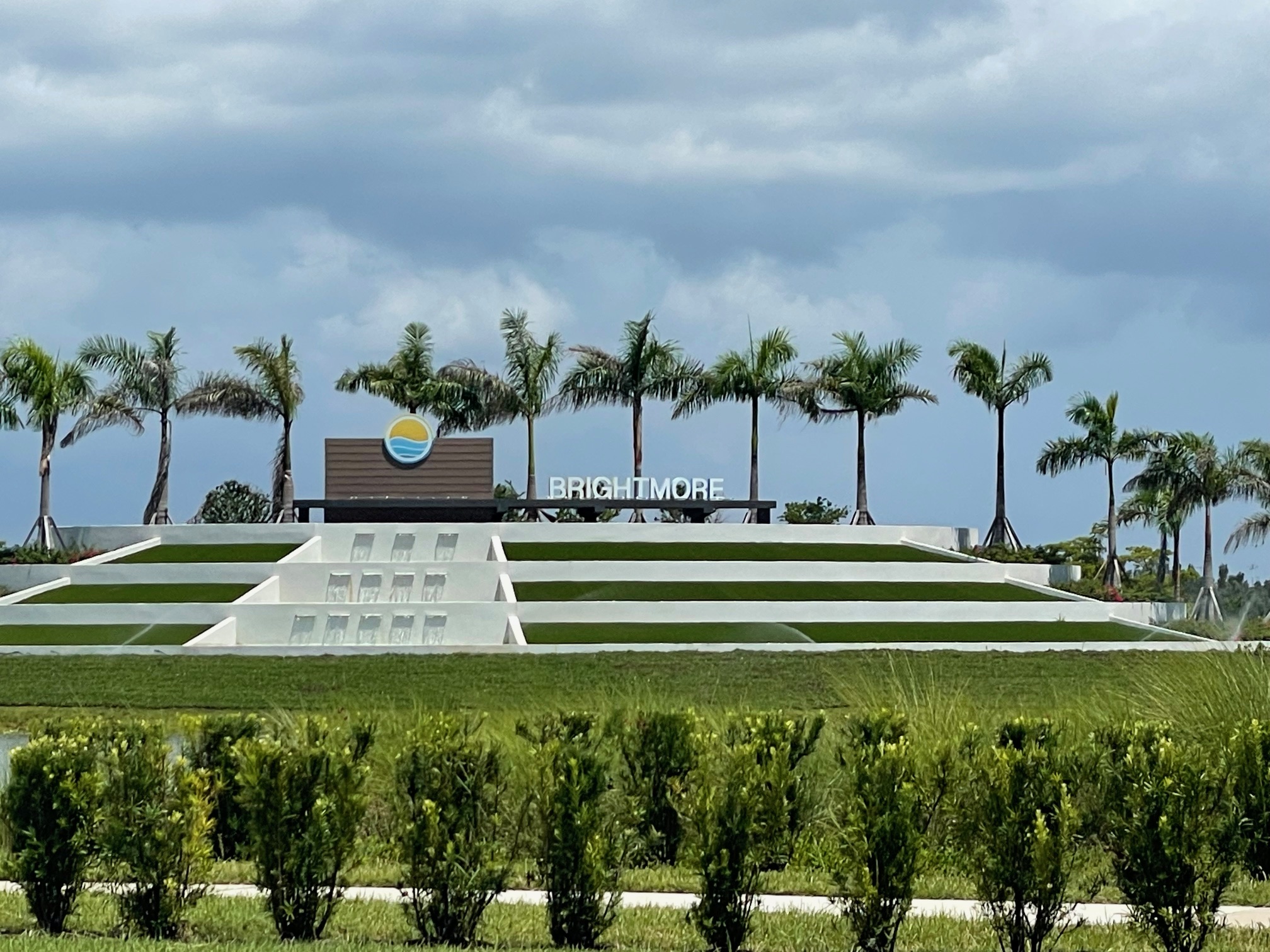
For many buyers, choosing a 55+ community starts with the lifestyle. They picture a beautiful clubhouse, resort-style pool, fitness center, pickleball courts, walking trails, and a full social calendar.
Those amenities can be wonderful. However, they are only part of the financial picture.
Before buying, it helps to understand the true cost of living in the community. The purchase price matters. Still, HOA fees, CDD assessments, property taxes, insurance, and maintenance can all affect your budget.
That is why I encourage buyers to compare the total cost of ownership, not just the home price.
HOA Fees: Look at What You Receive
HOA fees vary widely between 55+ communities. A lower fee may sound attractive at first. However, it may also cover fewer services.
Some communities may include lawn care or certain exterior maintenance. Others may leave those costs to the homeowner.
HOA fees can also support pools, fitness centers, clubhouses, gates, social programs, and recreational facilities. For that reason, comparing two HOA fees without comparing the benefits can be misleading.
The better question is not, “Which HOA is cheaper?”
Instead, ask, “What am I receiving for the money?”
What Is a CDD Fee?
CDD stands for Community Development District.
Developers sometimes use these districts to help fund roads, utilities, landscaping, stormwater systems, and other infrastructure.
A CDD assessment often appears on the property tax bill. Therefore, buyers may overlook it when focusing only on HOA fees.
Not every 55+ community has the same fee structure. Before making an offer, ask whether the property has a CDD or another special assessment.
Property Taxes Can Change After You Buy
The current owner’s tax bill may not reflect what you will pay after purchasing the home.
Florida homestead rules can limit increases in assessed value for qualified homeowners. Therefore, a longtime owner’s taxable value may be lower than the home’s current market value.
After a sale, the property can be reassessed. So, estimate taxes based on your expected purchase price instead of relying on the seller’s current bill.
If the home becomes your primary Florida residence, you may also qualify for homestead benefits.
Insurance Belongs in the Budget Too
Homeowners insurance can vary from one property to another.
The home’s age, roof, construction, location, wind protection, flood exposure, and coverage choices can affect the premium.
New construction may offer advantages because homes meet newer building codes. However, every property is different.
For that reason, I recommend getting an insurance quote before your inspection period ends whenever possible.
New Construction Has Costs Beyond the Base Price
New construction can be appealing in a 55+ community. However, the advertised starting price is only the beginning.
Lot premiums, structural options, design selections, pools, outdoor kitchens, and landscaping upgrades can increase the final price.
Builder incentives can help. Still, compare the finished cost of a new home with resale options nearby.
Do Not Compare 55+ Communities by HOA Fee Alone
This may be the most important point.
A community with a higher HOA fee is not automatically more expensive. Likewise, a community with a lower HOA fee is not automatically a better value.
Look at the HOA, CDD, taxes, insurance, lawn care, maintenance, and amenities together. Then consider how much you will actually use the lifestyle.
An active buyer may value fitness classes, pickleball, clubs, events, and social activities.
Another buyer may prefer a quieter neighborhood with fewer shared amenities and lower ongoing costs.
The right community is the one that fits both your lifestyle and your budget.
Comparing Sarasota, Lakewood Ranch and Wellen Park 55+ Communities
Southwest Florida offers many choices for active adults.
Communities such as Cresswind Lakewood Ranch, Del Webb Catalina, Brightmore at Wellen Park, and Venetian Falls each offer a different experience.
One buyer may prioritize newer construction and large amenity centers. Another may prefer an established community with mature landscaping.
Location also matters.
Think about beaches, restaurants, shopping, medical care, family, airports, and your everyday routines.
The home is important. However, where and how you live each day matters just as much.
Questions to Ask Before Buying in a 55+ Community
Before choosing a community, ask:
- What does the HOA fee include?
- Are there CDD fees or special assessments?
- Who maintains the lawn and landscaping?
- Does the HOA cover any exterior maintenance?
- What amenities are included?
- What might my property taxes be after purchase?
- What should I expect to pay for homeowners insurance?
- Are there upcoming community projects or assessments?
- How have HOA fees changed in recent years?
These questions can uncover important differences between communities that look similar online.
The Bottom Line
The cost of living in a 55+ community goes far beyond the listing price.
A smart comparison looks at the entire financial picture. That includes HOA fees, taxes, insurance, CDD assessments, maintenance, and the value of the amenities you will use.
If you are considering Cresswind, Del Webb Catalina, Brightmore, Venetian Falls, or another 55+ community in Southwest Florida, I can help you compare the details.
My goal is not simply to help you find a house.
It is to help you understand what you are buying, what it may cost, and how well it fits the life you want.
Frequently Asked Questions About 55+ Community Costs
Do all 55+ communities in Florida have CDD fees?
No. Fee structures vary by community. Always review the specific property and community documents before buying.
What does a 55+ HOA fee usually cover?
It depends on the community. Fees may support amenities, common areas, gates, landscaping, social programs, and certain maintenance services.
Is it cheaper to live in Lakewood Ranch or Wellen Park?
There is no single answer. Costs vary by neighborhood, home price, taxes, insurance, HOA fees, and CDD assessments.
Should I buy new construction or resale in a 55+ community?
Both can be good choices. Compare the finished cost, location, fees, upgrades, maintenance needs, and incentives before deciding.
